Marocco Font: Playful Script for Web Design
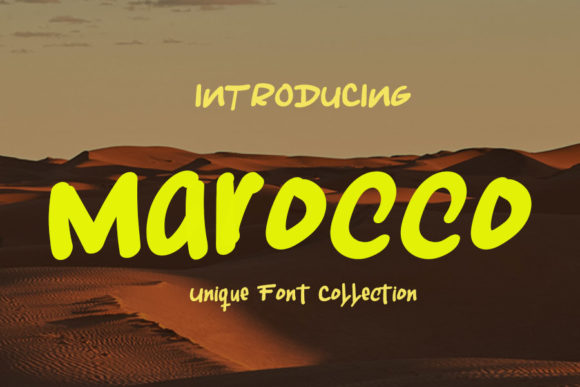
As a web designer, finding the right typeface can make or break a digital experience. Marocco is a brushed handwritten font that brings a relaxed and playful energy to any design. Its casual, fluid strokes make it ideal for creative projects that need a friendly, approachable tone.
Marocco belongs to the Script Amp category of fonts, which combines the elegance of script with the practicality of a display typeface. It’s not just a pretty font—it’s a tool that can enhance visual storytelling, brand identity, and user engagement across multiple digital platforms.
Marocco in Web Design: Visual Hierarchy and Brand Tone
When used in headers, hero sections, or call-to-action buttons, Marocco adds a personal touch that feels authentic and expressive. Its natural flow makes it perfect for branding that wants to feel warm and inviting. For example, a children’s online store could use Marocco in product titles or promotional banners to create a whimsical, kid-friendly atmosphere.
The font’s personality also supports visual hierarchy. Because of its distinct shape and rhythm, it stands out without being overwhelming. This makes it great for headings, logos, or decorative accents where you want to draw attention without disrupting the layout.
Readability and Digital Usability
While Marocco is a script font, it maintains a level of readability that works well on screens. Its open letterforms and consistent stroke weight help ensure clarity, especially when used in short phrases or as part of a larger typographic system.
On mobile devices, Marocco performs well when scaled appropriately. It’s best suited for larger text sizes, such as headers or CTA buttons, rather than long paragraphs. When paired with a clean sans serif font for body copy, it creates a balanced contrast that improves overall readability.
For dark backgrounds or image overlays, Marocco retains legibility thanks to its strong, bold strokes. However, it’s important to maintain sufficient color contrast to avoid straining the eyes. Light backgrounds work equally well, especially when used in subtle, low-contrast designs.
Practical Applications for Digital Creators
Marocco is versatile enough to fit into various design scenarios. A creative portfolio site could use it in project titles or section headers to add a personal, artistic flair. A coaching website might incorporate it into landing page headlines to convey a sense of warmth and encouragement.
For online stores, Marocco can elevate banner graphics, product labels, or promotional messages. Its playful nature pairs well with bright colors, making it an excellent choice for brands targeting younger audiences or niche markets.
In course sales pages or blog headers, Marocco adds a unique visual element that helps differentiate content from standard layouts. It’s also useful in social media graphics, where a handwritten touch can feel more engaging and human.
Font Pairing and Typographic Balance
When using Marocco in a design, pairing it with a complementary font enhances the overall aesthetic. A simple sans serif like Lato or Montserrat works well for body text, providing a clean and modern counterpoint to the font’s organic style.
For editorial or more traditional designs, a serif font like Georgia or Merriweather can create a refined contrast. This combination is ideal for blogs, magazines, or brand kits that require a mix of creativity and professionalism.
Keep in mind that Marocco is best used as a display font rather than a body font. Its intricate details are more effective in short, impactful text rather than long blocks of copy.
Commercial Licensing and File Formats
Before using Marocco in client projects or commercial websites, check the licensing terms. Most premium fonts come with specific permissions for web use, which may include embedding via Google Fonts or custom webfont services.
Ensure that the font includes all necessary file formats, such as WOFF, WOFF2, TTF, and OTF, for optimal performance across different browsers and devices. Some fonts also offer alternate characters, ligatures, or stylistic sets that can be useful for advanced typographic control.
If your project requires multilingual support, verify that Marocco includes glyphs for the languages you plan to use. This is especially important for global brands or content that spans multiple regions.
Branding with Marocco: Consistency and Identity
Consistency is key in digital branding. Using Marocco across multiple touchpoints—such as website headers, social media posts, and email newsletters—helps reinforce brand recognition. Its friendly, handwritten style can create a cohesive look that feels intentional and polished.
For startups or small businesses, Marocco can serve as a signature font that defines their visual identity. It’s particularly effective for brands that want to communicate creativity, playfulness, or a personal connection with their audience.
Whether you’re designing a landing page, a digital product, or a brand kit, Marocco offers a unique way to express your design vision. Its blend of simplicity and character makes it a valuable addition to any digital toolkit.